
Commercial Solutions
Gas and Petroleum Service Systems
Commercial Solutions
Gas and Petroleum Service Systems
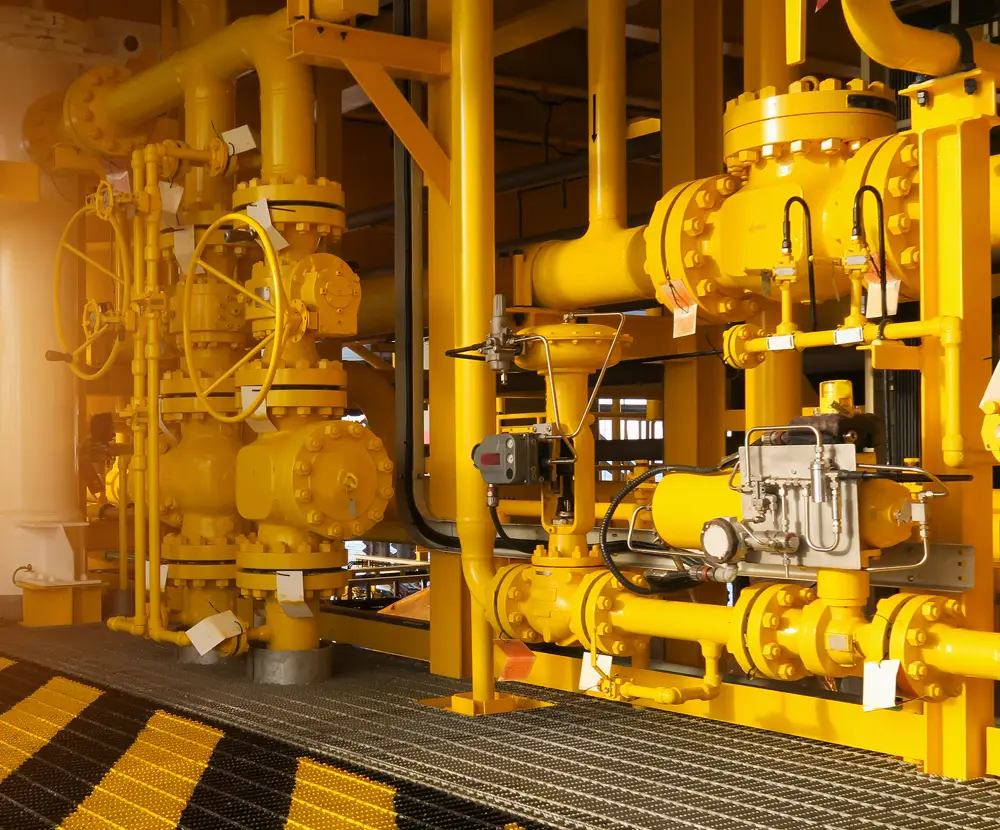
Gas and petroleum service systems store fuel safely and deliver it to where it is used: LPG to commercial kitchens, laboratories and boilers, and diesel or other petroleum products to generators, plant and dispensing points. These systems combine storage tanks or cylinder banks, regulators, safety and isolation valves, gas detection, pipework and, for petroleum, pumps and dispensers. Because a leak can lead to fire or explosion, the quality of installation and testing is critical.
Trident Plumbers Limited installs gas lines and equipment for commercial kitchens, schools, laboratories and industrial processes, and sets up petroleum service systems with tanks, pumps and dispensers. LPG installation works appear among our school and industrial projects, and we provide regular inspections and maintenance to keep systems safe and compliant.
At a glance
- Installation of gas lines and equipment for commercial kitchens and industrial processes.
- Setup of petroleum service systems, including pumps, tanks, and dispensers.
- Regular inspections and maintenance to ensure safety and compliance with regulations.
What we deliver
From design to maintenance, one contractor
Trident can take on the whole package or the part you need, working to your consultant’s design or to our own.
01Design & sizing
Gas demand of the connected appliances, cylinder bank or bulk tank sizing, regulator stages, pipe sizing for pressure drop, safety distances, ventilation and isolation points.
02Supply
Regulators, manifolds, valves, flexible connections, gas detectors, pipework and fittings, tanks, pumps and dispensers rated for the fuel and conditions, to the specification.
03Installation
Cylinder enclosures or tank installations, gas and fuel pipework, supports, sleeves, labelling, emergency shut-off and appliance connections, installed by our crews.
04Testing & commissioning
Pressure and leak tightness tests, purging, regulator and safety device checks, appliance connection checks and gas detector function tests before the system is put into use.
05Maintenance
Periodic leak checks and inspections, regulator and valve servicing, detector testing, and repairs and modifications carried out safely with the system isolated.
Systems and components we install
- LPG cylinder manifolds and bulk tank installations
- Gas pipework to commercial kitchens, laboratories and boilers
- Regulators, emergency shut-off valves and gas leak detection
- Laboratory gas outlets at benches
- Fuel storage tanks with fill, vent and draw-off pipework
- Fuel pumps, dispensers and generator day-tank supplies
Typical buildings
Standards and good practice
We install to the project specification and to the codes and regulations it calls up. On gas and petroleum work these commonly include:
- NFPA 58
- Liquefied Petroleum Gas Code
- NFPA 54
- National Fuel Gas Code
- NFPA 30
- Flammable and Combustible Liquids Code
- EPRA requirements
- Energy and Petroleum Regulatory Authority rules, including its LPG regulations
- Kenya OSHA 2007
- Occupational Safety and Health Act, 2007 and its fire risk reduction rules
The governing requirements are set by the project specification, the consultant and the regulatory authorities; we install to them and provide the test records needed for approval.
How we work
A clear process, start to finish
Brief and site visit
We review your drawings, specification or bill of quantities and, where needed, visit the site to understand the building and how it will be used.
Design and proposal
We size the system, select equipment to the specification and give you a clear, itemised quotation.
Approvals and procurement
Shop drawings and material submittals go to the consultant for approval before materials are ordered.
Installation
Our own crews install the works, coordinated with the main contractor and the other trades on site.
Testing and commissioning
Every system is tested and commissioned, with results recorded and witnessed by the client or consultant.
Handover and aftercare
As-built drawings, operation and maintenance information and training for your team, followed by maintenance when you need it.
Why clients choose Trident
Plumbing and mechanical installations have been our business since 1988. Our engineers, supervisors and skilled crews work across Kenya, Rwanda and Uganda on buildings of every size.
About the company- Since 1988Established in Nairobi, incorporated in 1993
- NCA Category 1Registered with the National Construction Authority
- ISO 9001:2015Certified quality management system
- 3 countriesCompanies in Kenya, Rwanda and Uganda
FAQ
Gas and Petroleum Service Systems: common questions
Yes. We install cylinder manifolds or bulk tanks, regulators, pipework, emergency shut-off and leak detection, and connect the kitchen appliances.
Yes. We install LP gas supplies to laboratory benches with the isolation and safety devices the specification requires.
The pipework is pressure and leak tested, purged, and the regulators and safety devices are checked before the system is commissioned and handed over.
Yes. We check for leaks, inspect regulators, valves and connections, test detectors, and report and repair any defects.
Related services
All commercial solutions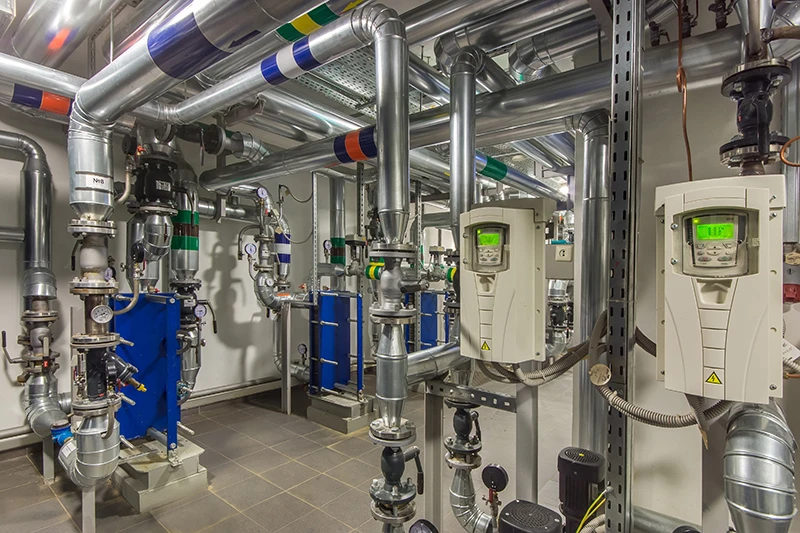
Boiler Installations
Steam and hot-water boilers for heating, hot water and process use, installed and maintained to run safely.
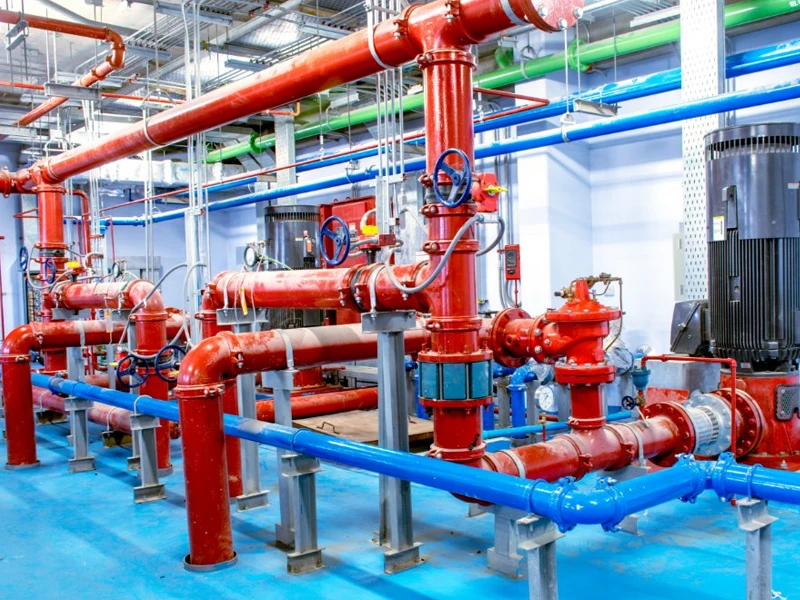
Fire Fighting Services
Sprinklers, hydrants, hose reels and fire pump sets, installed and kept ready for the day they are needed.
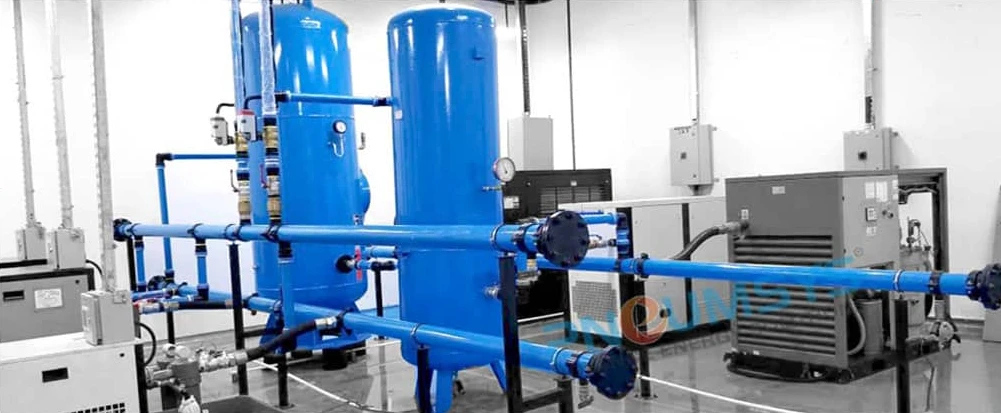
Compressed Air Systems
Compressors, treatment and distribution pipework that deliver clean, dry air at the right pressure.
Planning a gas or fuel installation?
Send us your drawings or tell us about the building, and our team will come back to you with the next steps.