
Commercial Solutions
Solar Water Heating Systems
Commercial Solutions
Solar Water Heating Systems
A solar water heating system uses collectors on the roof to heat water with energy from the sun. The heated water is held in insulated storage, either on the roof or in a plant room, and a backup heater tops it up on cloudy days or at peak demand. In buildings with steady hot-water use, such as hotels, hospitals, boarding schools and apartment blocks, it can replace a large share of the electricity or fuel otherwise spent on hot water.
Trident Plumbers Limited designs and installs solar water heating for commercial and residential buildings, connected to the building’s cold-water supply and hot-water distribution. For an honest look at costs, savings and when solar is worth it, read our guide Solar Water Heating in Kenya: Is It Worth the Investment? Homeowners can also see our residential solutions.
At a glance
- Installation of solar panels to harness solar energy for heating water.
- Customized design of solar water heating systems to suit commercial requirements.
- Ongoing maintenance to maximize the performance of solar water heating systems.
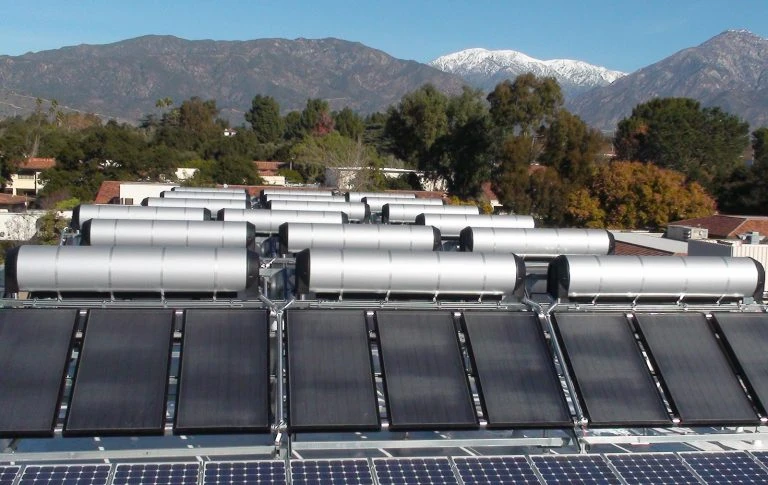
What we deliver
From design to maintenance, one contractor
Trident can take on the whole package or the part you need, working to your consultant’s design or to our own.
01Design & sizing
Hot-water demand by occupancy and use, collector area and orientation, storage volume, backup heating, circulation and roof loading checked with the structural engineer.
02Supply
Flat-plate or evacuated-tube collectors, insulated storage cylinders, pumps, controllers, valves and pipework to the specification and the applicable Kenya Standards.
03Installation
Collector mounting and fixing, roof penetrations made watertight, insulated flow and return pipework, storage, backup heater and controls installed by our crews.
04Testing & commissioning
Pressure tests, filling and venting, controller and pump settings, temperature and safety valve checks, and a performance check before handover.
05Maintenance
Cleaning collectors, checking insulation, valves, pumps, controllers and anodes, descaling where water is hard, and repairs that keep the system delivering.
Systems and components we install
- Flat-plate and evacuated-tube solar collectors
- Direct and indirect (heat exchanger) systems
- Thermosiphon and pumped circulation systems
- Centralised solar systems with large storage for commercial buildings
- Insulated hot-water storage with electric or other backup heating
- Controllers, temperature and pressure relief valves, and mixing valves
Typical buildings
Standards and good practice
We install to the project specification and the regulations that apply. In Kenya these commonly include:
- Energy (Solar Water Heating) Regulations, 2025
- Legal Notice No. 115 of 2025, administered by the Energy and Petroleum Regulatory Authority (EPRA)
- EPRA licensing
- Only licensed persons may install, test, commission, maintain or repair solar water heating systems
- Storage sizing
- Storage capacity of at least one and a half times the installation’s daily hot-water demand
- Kenya Standards (KEBS)
- Applicable product and installation standards, the Building Code and health and safety requirements
This is not legal advice. How the rules apply to a project is confirmed with the project’s consultants and the authority; we design and install to the governing requirements.
How we work
A clear process, start to finish
Brief and site visit
We review your drawings, specification or bill of quantities and, where needed, visit the site to understand the building and how it will be used.
Design and proposal
We size the system, select equipment to the specification and give you a clear, itemised quotation.
Approvals and procurement
Shop drawings and material submittals go to the consultant for approval before materials are ordered.
Installation
Our own crews install the works, coordinated with the main contractor and the other trades on site.
Testing and commissioning
Every system is tested and commissioned, with results recorded and witnessed by the client or consultant.
Handover and aftercare
As-built drawings, operation and maintenance information and training for your team, followed by maintenance when you need it.
Why clients choose Trident
Plumbing and mechanical installations have been our business since 1988. Our engineers, supervisors and skilled crews work across Kenya, Rwanda and Uganda on buildings of every size.
About the company- Since 1988Established in Nairobi, incorporated in 1993
- NCA Category 1Registered with the National Construction Authority
- ISO 9001:2015Certified quality management system
- 3 countriesCompanies in Kenya, Rwanda and Uganda
FAQ
Solar Water Heating Systems: common questions
It usually pays off where hot-water demand is steady and predictable and the roof has good sun. Our guide Solar Water Heating in Kenya: Is It Worth the Investment? explains the costs, savings and the cases where it is not worth it.
A backup heater, usually electric or connected to another heat source, tops up the stored water so hot water is still available. A well-sized system keeps the backup’s share as small as practical.
In many cases, yes. We check the roof, the existing storage and pipework, and design the solar system to feed into what is already there where that makes sense.
Collectors, valves, pumps and controllers should be checked regularly, and descaling may be needed where the water is hard. We agree a maintenance schedule suited to the system and the water quality.
Related services
All commercial solutions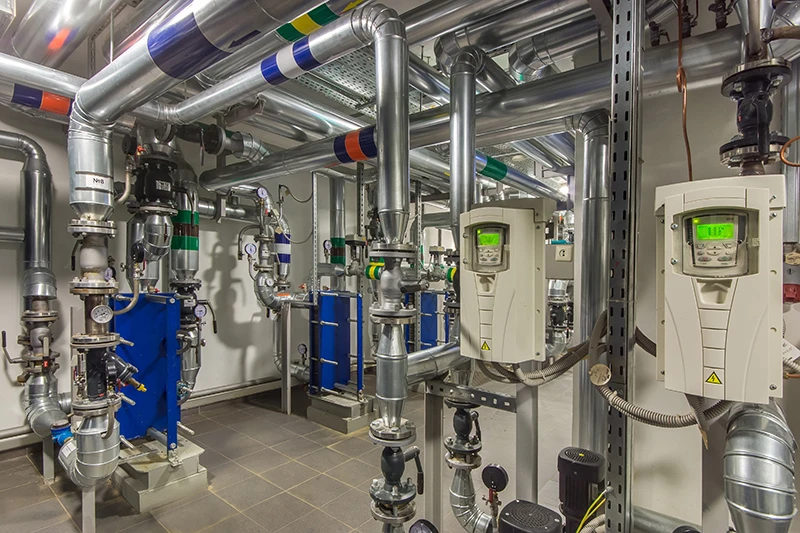
Boiler Installations
Steam and hot-water boilers for heating, hot water and process use, installed and maintained to run safely.
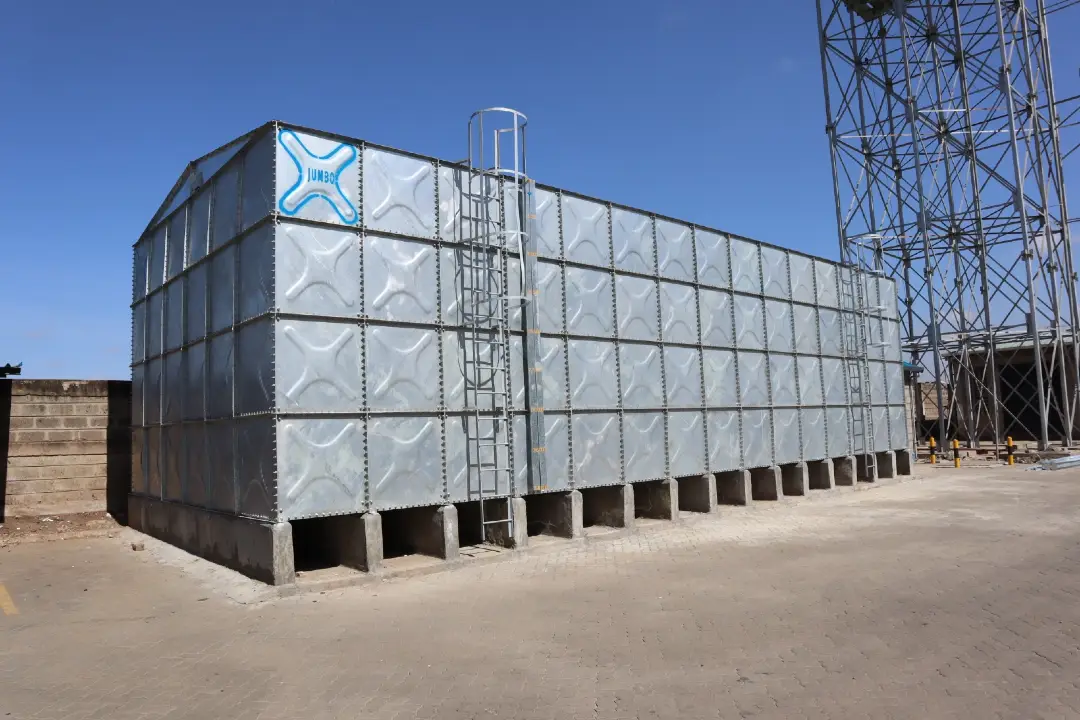
Water Storage and Distribution Systems
Tanks, booster pumps and pipe networks that deliver a reliable supply at the right pressure.
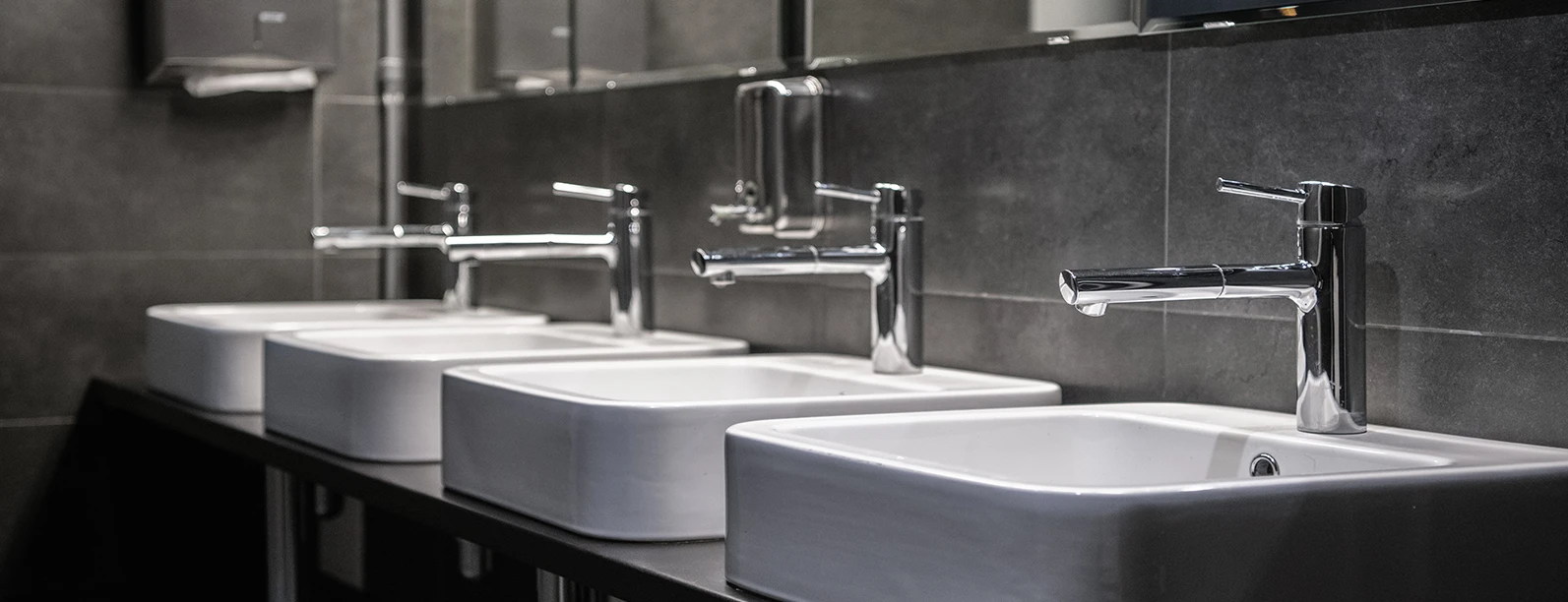
Sanitaryware Installations
Toilets, urinals, basins, sinks and showers fitted with their supply and drainage, ready for heavy use.
Thinking about solar water heating?
Send us your drawings or tell us about the building, and our team will come back to you with the next steps.